
Planning a Sketching Session at a Coastal Fishing Pier
For a coastal artist, a public fishing pier offers a dynamic and inspiring environment. The interplay of light on the water, the architectural lines of the pier extending into the ocean, and the focused activity of anglers provide endless subjects for sketching and painting. However, successfully planning a sketching session in such a setting requires more than just packing your art supplies. You must be aware of the environment, respect the primary users of the space, and understand how the changing tide can affect your setup and access.
Unlike a controlled studio environment, the coast is subject to constant change. The water level fluctuates, the weather can shift rapidly, and the level of crowd activity varies throughout the day. By carefully planning your outing, you can ensure a productive session while maintaining a respectful distance from those actively fishing. Incorporating tide awareness into your preparation is key to finding a dry, safe spot to work and ensuring a clear exit route when you are finished.
Just as you might discover the top sources of art inspiration through observation, observing the rhythms of the pier and the ocean is the first step in your artistic process. It is important to remember that tide planning supports your composition and dry setup; it does not mean that a specific tide level guarantees a safer environment or better artistic results.
Understanding Tide Basics for Artists
To plan effectively, artists need a basic understanding of tidal movements. Tides are the very long-period waves that move through the oceans in response to the forces exerted by the moon and sun. According to the NOAA Ocean Service tutorial on tides, these movements cause the periodic rise and fall of the sea level. As an artist setting up near the shoreline or under the pier structure, you need to know whether the water is rising (flood tide) or falling (ebb tide).
Checking the tide schedule before you leave is essential. You can access accurate predictions through resources like the NOAA Tides and Currents FAQ and data pages. Knowing the time of high and low tide allows you to anticipate where the water line will be. If you plan to sketch from the beach beneath or alongside the pier, arriving on an incoming tide means your usable dry space will steadily shrink, potentially forcing a sudden relocation of your easel and supplies.
Conversely, arriving on a falling tide provides a growing expanse of sand. This awareness is purely for spatial planning and equipment protection. It is a misconception that a low tide is inherently safer than a high tide, as other factors like wave energy and currents remain significant variables. You should also understand how anglers plan around pier-fishing tides, as their activity levels will often correlate with specific tidal phases, affecting the crowd density on the pier itself.
Respecting Anglers and Pier Rules
A public fishing pier is exactly that—a place primarily designated for fishing. As an artist, you are sharing this space, and respect for the anglers is paramount. When selecting a spot to sketch on the pier itself, choose locations that do not interfere with casting or the retrieval of fish. Avoid setting up in narrow walkways, near bait cutting stations, or directly behind someone who is actively fishing.
Keep your footprint small. While you might be used to spreading out when you create mixed media art in your studio, a pier requires a more compact approach. Use a travel easel or a lapboard, and keep your supplies contained in a single bag that doesn’t block the path. If an angler needs to move past you or land a catch, be prepared to temporarily step aside.
Always adhere to posted pier rules. These regulations govern everything from operating hours to allowed equipment and designated zones. Some piers may restrict the use of large easels or umbrellas that could obstruct walkways or become hazards in the wind. Being a courteous guest ensures that the pier remains a welcoming environment for artists in the future.
Site Selection: Composition, Dry Setup, and Exit Routes
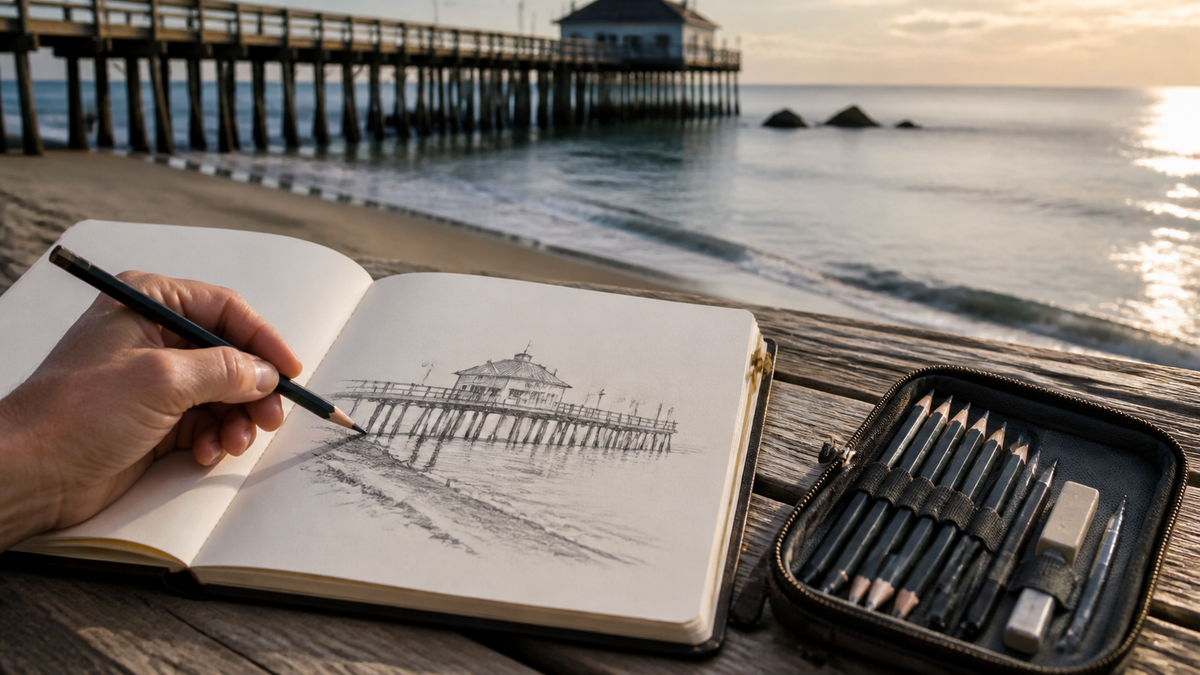
Choosing your exact location involves balancing artistic composition with practical safety and tide awareness. If you are sketching from the beach near the pier, you must account for the rising water. Never set up your equipment in an area that will be cut off by an incoming tide. Always ensure you have a clear, dry exit route back to higher ground that will remain accessible throughout your planned session.
Consider the composition you want to capture. Do you want the strong leading lines of the pier disappearing into the horizon, or are you focused on the intricate structure of the pilings from below? If you choose to work from beneath the pier, be exceptionally vigilant about the tide. The water can move quickly, and what seems like a dry spot can become inundated rapidly.
Furthermore, pay attention to the surf conditions. Even if the tide is low, unexpected larger waves can surge up the beach. The NWS Rip Current Safety guidelines remind us that the ocean is unpredictable, and standing near the water’s edge always carries a risk of being caught off guard by a wave. Position yourself far enough back from the high-water mark to keep your supplies dry and your focus on your art, rather than on avoiding the surf.
Environmental Awareness and Cold Water Risks
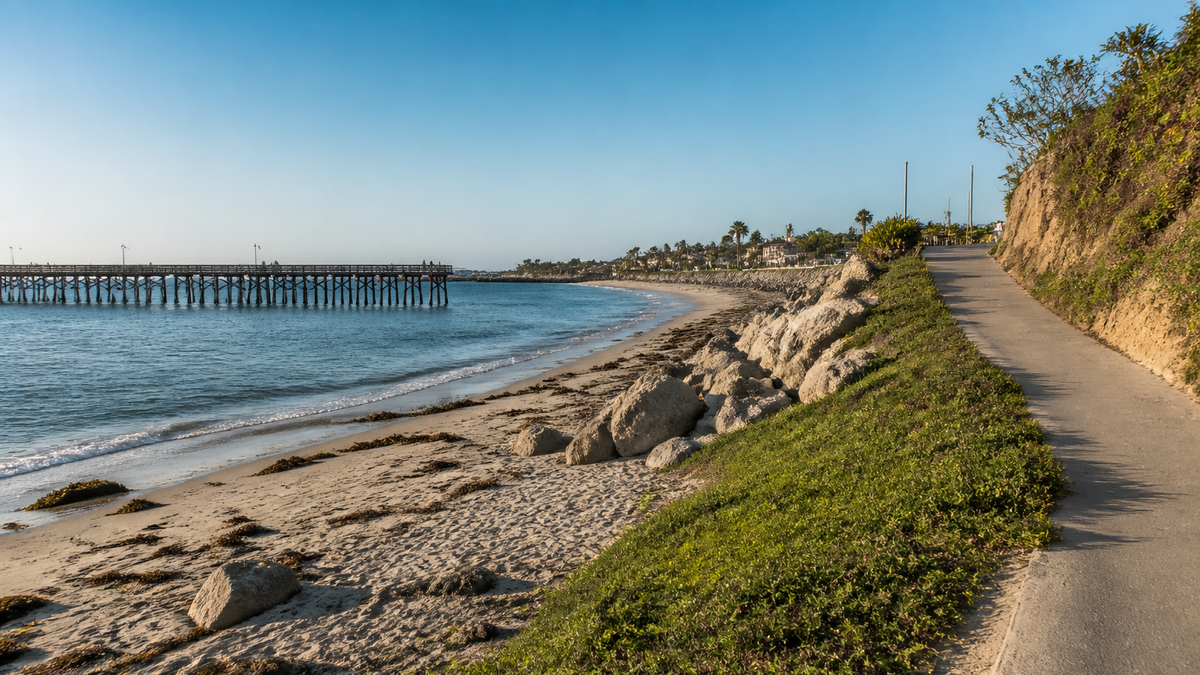
Coastal weather can change rapidly, and the environment near a pier is often exposed to wind and sun. Dress in layers to accommodate fluctuating temperatures and wear appropriate sun protection. The wind, in particular, can be a challenge for artists, threatening to blow away loose papers or tip over easels. Secure your materials and consider using heavier paper or clips to hold your sketchbook pages in place.
It is also critical to understand the risks associated with the water itself, even if you do not plan on swimming. If you are sketching from the rocks near the pier or a low-lying section of the structure, the risk of slipping or being knocked into the water by a wave is present. The NWS Cold Water Safety information emphasizes that cold water shock can be a severe threat if you unexpectedly fall in, causing involuntary gasping and disorientation.
Therefore, maintain a safe distance from edges and slippery surfaces. Your goal is to observe the environment, not to immerse yourself in it unexpectedly. Never compromise your personal safety or block your exit route for the sake of a better artistic angle.
Safety Boundaries and Official Regulations
It is essential to state clearly that this guide is intended for logistical planning—finding a dry spot and respecting other pier users. It does not provide safety guarantees. No specific tide level, wind speed, or weather condition guarantees that the environment is safe or that the fishing (or the sketching of fishing) will be optimal.
There are no invented thresholds that substitute for common sense and official guidance. Always check current official marine forecasts before your trip and follow all posted access rules and local regulations at the pier. If the pier is closed due to weather, or if official forecasts indicate hazardous conditions, cancel your session. Art can wait; your safety cannot.
Coastal Artist Pier Planning Checklist
Use the following table as a quick reference checklist when planning your pier sketching session to ensure you have considered the critical logistical and environmental factors.
| Planning Category | Checklist Item | Details & Actions |
|---|---|---|
| Tide Awareness | Check NOAA Tide Predictions | Determine if the tide will be rising or falling during your session. |
| Site Selection | Identify Dry Setup Area | Ensure your chosen spot on the beach will not be submerged by an incoming tide. |
| Exit Strategy | Verify Clear Exit Route | Confirm that your path back to high ground will remain dry and accessible. |
| Pier Etiquette | Minimize Footprint | Use compact gear (lapboard/travel easel) and do not block walkways or anglers. |
| Weather Check | Review Marine Forecast | Check NWS for wind, surf, and storm warnings before leaving home. |
| Official Rules | Review Posted Regulations | Follow all posted signs regarding access, allowed equipment, and restricted areas. |
Frequently Asked Questions
Why does a coastal artist need to check the tide schedule?
Checking the tide schedule helps an artist plan a dry setup area on the beach near the pier and ensures they have a clear, accessible exit route that won’t be cut off by rising water during their session.
Does a low tide guarantee a safer environment for sketching near a pier?
No. While low tide may expose more dry sand, it does not guarantee safety. Factors like wave energy, rip currents, and sudden surges remain significant risks regardless of the tide level.
How can I sketch on a public fishing pier without bothering anglers?
To avoid bothering anglers, keep your equipment footprint small, avoid setting up in narrow walkways or casting zones, and be prepared to temporarily move if an angler needs space to land a fish.
What should I do if a marine weather advisory is issued for the time I plan to sketch?
If an official marine weather advisory or warning is issued by the National Weather Service, you should cancel your sketching session and avoid the pier and coastline until conditions improve.
Is it safe to set up my easel directly under the pier structure?
Setting up under the pier requires extreme vigilance regarding the incoming tide and unexpected wave surges. You must ensure you have a constantly accessible, dry exit route, as the water level can rise quickly and trap you against the pilings.



0 Comments